
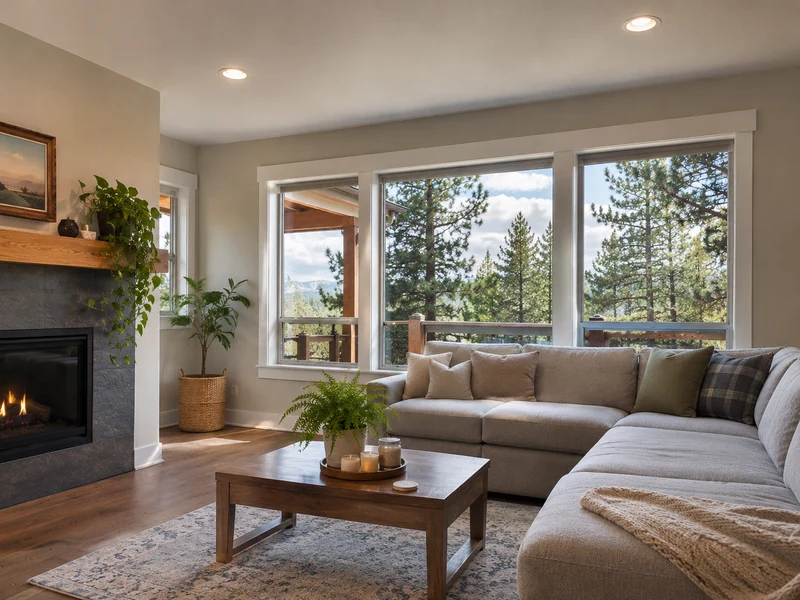
Interior Painting in Bend: How to Plan a Winter Repaint in the High Desert
Bend sits at roughly 3,600 feet, and once the frost settles in, most Central Oregon homes stay shut tight with the heat running until spring. That is exactly why late fall and winter are when many homeowners line up interior painters in Bend: the exterior season is over, everyone is spending more time indoors, and the scuffs, faded walls and smoke-darkened ceilings are hard to ignore.
Winter is a practical time to repaint the inside of a Bend home, as long as the job is planned around closed windows, a heated house and Central Oregon's dry air. Good prep, steady indoor temperatures, sensible ventilation and the right product for each room matter more than the season itself. If your home was built before 1978, ask about lead-safe work practices before any sanding or scraping starts.
Below is how to plan the project, what changes the size of the job, and what to ask before you book.
1. Why winter works for interior painting in Central Oregon
Central Oregon is one of the sunniest parts of the Pacific Northwest, but its frost-free season is short, and nights stay cold for much of the year. Exterior work has a narrow window. Interior work does not depend on the weather outside, so it fits naturally into the months when the outside of the house is off the table.
There is also a practical upside for your schedule. A winter interior project leaves spring and summer clear for exterior jobs, deck work or a patio cover once the weather turns.
2. Plan around a closed-up, heated house
The main difference with winter painting is that you cannot throw the windows open for a day. That changes a few things:
Ventilation. Fresh paint needs air movement to dry and for odor to clear. In winter that usually means running fans, using bathroom and kitchen exhaust, and cracking a window in the room being painted for short periods rather than all day.
Steady temperature. Paint cures best when the room stays at a consistent, comfortable temperature. Turning the heat down overnight to save energy can slow drying on fresh coats. Ask your painter what the product label calls for, and keep the thermostat steady until the job is done.
Heat sources. Wood stoves, pellet stoves and space heaters should not blow directly on wet walls, and they should be kept clear of drop cloths and paint supplies.
3. How Bend's dry air affects drying
Central Oregon's high-desert air is dry, and a heated house in winter is drier still. Dry air helps paint set up quickly, which sounds like a good thing, but paint that dries too fast can leave lap marks where fresh paint overlaps an edge that has already started to set. On large walls and ceilings, an experienced painter works in sections and keeps a wet edge to avoid that.
Fast surface drying also is not the same as full curing. A wall can feel dry to the touch long before it is ready for furniture to be pushed against it, pictures to be hung or a scrub with a cleaning sponge. The product label sets those times, and a good painter will tell you what they are for your rooms.
4. What makes an interior job lighter or bigger
Every home is different, so there is no single number that fits. These are the factors that move the scope of an interior repaint up or down:
Factor | Lighter job | Bigger job |
|---|---|---|
Wall condition | Clean, sound walls with minor scuffs | Cracks, nail pops, water stains or old patches to repair |
Color change | Similar color, or refreshing the same color | Dark to light, or covering a strong accent wall, which can mean primer and extra coats |
Ceilings | Standard flat ceilings left as they are | Vaulted ceilings, popcorn texture or smoke and soot staining from a wood stove |
Trim and doors | Walls only | Baseboards, casings, doors and window trim included |
Room use | Bedrooms and living areas | Kitchens and bathrooms that need a moisture-resistant, washable finish |
Access | Furniture easy to move, rooms clear | Tall stairwells and entry walls that need ladders or scaffolding |
Home age | Built after 1978 | Built before 1978, where lead-safe practices apply to sanding and scraping |
When you request an estimate, describing these items up front helps your painter give you an accurate scope.
5. Rooms that need extra attention in Central Oregon homes
Living rooms with a wood or pellet stove. Smoke and soot leave a film on walls and ceilings that paint will not stick to well. These surfaces usually need cleaning and often a stain-blocking primer before the finish coats.
Sunny west- and south-facing rooms. Bend's strong sun fades paint and finishes faster on walls that take direct light through large windows. Color choice and finish matter more in these rooms.
Mudrooms, entries and hallways. Snow, gravel and pet traffic make these the hardest-working walls in the house. A more durable, washable finish holds up better than a flat finish here.
Bathrooms and kitchens. Steam and cooking moisture call for a finish made for humid rooms, even in a dry climate.
6. Signs it may be time to repaint
Walls look dull or uneven, especially where furniture used to sit
Scuff marks and handprints no longer wash off
Gray or yellow film on ceilings near a stove or fireplace
Peeling or flaking paint in bathrooms
Visible patches from old repairs that never quite matched
Faded color on walls that get afternoon sun
You are getting ready to sell, or you just bought a home and the colors are not yours
7. The question most homeowners worry about: fumes in a closed house
The most common concern about painting indoors in winter is breathing paint fumes with the windows shut. It is a reasonable worry, especially for households with young children, older family members, pets or anyone with breathing sensitivities.
A few things help. Ask your painter which products they plan to use and whether low-odor or low-VOC options are available for your rooms. Plan the order of rooms so bedrooms are finished early in the day and have time to air out before night. Keep exhaust fans running and doors to finished rooms open where possible. If anyone in the house is sensitive, it may make sense to stay somewhere else for a night while the main living areas are being painted. A good painter will talk through all of this with you before the work starts, not after.
8. What to ask before you book
What prep is included? Patching, sanding, caulking, cleaning and priming are where most of the quality in a paint job comes from.
Which products will you use in each room? Ask about finish type for kitchens, bathrooms and high-traffic areas.
How will you protect floors, furniture and fixtures?
How will you handle ventilation and heat while the windows are closed?
If my home was built before 1978, are you EPA lead-safe certified? Federal rules require certified firms and lead-safe work practices for paint work that disturbs painted surfaces in older homes.
How long until I can use each room normally?
Who will be in my home, and who do I contact with questions during the job?
Is the estimate in writing, with the scope of each room listed?
Frequently asked questions
Is winter a good time to paint the inside of a house in Bend? Yes. Interior painting does not depend on outdoor weather, so winter works well as long as the house is kept at a steady temperature and the painted rooms get enough ventilation to dry and clear odor.
Do I need to open the windows when painting indoors in winter? You do not need to keep them open all day. Running fans and exhaust fans, and cracking a window in the room being painted for short periods, is usually enough to help paint dry and odor clear.
Does Central Oregon's dry air affect interior paint? Dry indoor air can make paint set up quickly, which can cause lap marks on large walls if the painter does not keep a wet edge. Paint still needs the full cure time on the product label before rooms go back to heavy use.
Do I need to move out while my house is being painted? Most people stay home during an interior repaint. If anyone in the household is sensitive to paint odor, staying elsewhere for a night while the main living areas are painted can make the project more comfortable.
What if my Bend home was built before 1978? Homes built before 1978 may have lead-based paint. Federal EPA rules require certified firms and lead-safe work practices for renovation and painting work that disturbs painted surfaces in these homes, so ask about certification before sanding or scraping begins.
Planning an interior project this winter?
Ash Painting provides interior and exterior painting services across Central Oregon, including Bend, La Pine, Sisters and Sunriver. Scheduling interior painters in Bend during the cold months keeps the warmer months free for exterior work. Contact Ash Painting to talk through your rooms, your timeline and what kind of finish each space needs. You can also see more about our work for homeowners in Bend and painting in Sunriver.